Diving into Trip Insurance Comparison 2025: Which Policy Offers the Best Coverage?, this introduction immerses readers in a unique and compelling narrative, providing an insightful look into the world of trip insurance.
Exploring the evolution of trip insurance policies and the importance of making informed choices, this overview sets the stage for a comprehensive comparison of coverage options in 2025.
Introduction to Trip Insurance Comparison 2025
Trip insurance is a type of insurance that provides coverage for unexpected events that may occur before or during a trip, such as trip cancellations, medical emergencies, lost luggage, or flight delays. It offers peace of mind to travelers by minimizing financial risks associated with traveling.Comparing trip insurance policies is crucial to ensure you get the best coverage that meets your specific needs.
By comparing different policies, you can evaluate the benefits, coverage limits, exclusions, and premiums to choose the most suitable option for your trip.Looking ahead to 2025 for trip insurance comparisons is significant as the travel industry continues to evolve, and new risks may emerge.
By analyzing future trends, technological advancements, and changes in travel behavior, travelers can anticipate potential risks and select insurance policies that provide comprehensive coverage for upcoming trips.
Factors to Consider When Comparing Trip Insurance Policies
When comparing trip insurance policies, it is essential to consider several key factors to ensure you are getting the best coverage for your needs. Below are some important aspects to keep in mind:
Key Coverage Features to Look For
- Medical Coverage: Look for policies that offer adequate coverage for medical emergencies, including hospital stays, doctor visits, and emergency medical evacuation.
- Trip Cancellation/Interruption: Ensure the policy provides coverage in case you need to cancel or cut short your trip due to unforeseen circumstances such as illness, natural disasters, or job loss.
- Baggage Loss/Theft: Check if the policy covers the loss or theft of your baggage during your trip, including personal belongings and important documents.
- Travel Delay: Look for coverage that compensates you for additional expenses incurred due to travel delays, such as accommodation and meal costs.
Importance of Considering Trip Duration and Destinations
When comparing trip insurance policies, it is crucial to consider the duration of your trip and the destinations you plan to visit. Some policies may have limits on trip length or exclude coverage for certain high-risk destinations. Make sure the policy you choose aligns with your travel plans to avoid any gaps in coverage.
Impact of Pre-Existing Conditions
It is important to disclose any pre-existing medical conditions when purchasing trip insurance, as this can impact your coverage. Some policies may exclude coverage related to pre-existing conditions, while others may offer coverage with certain restrictions or additional premiums.
Emerging Trends in Trip Insurance for 2025
The landscape of trip insurance is constantly evolving, with new trends expected to shape policies by 2025. Advancements in technology, changing travel patterns, and global events like pandemics are all factors influencing the future of trip insurance coverage.
Integration of Virtual Reality for Claims Processing
Virtual reality (VR) technology is expected to revolutionize how trip insurance claims are processed. Insurers may utilize VR to assess damages remotely, reducing the need for physical inspections and streamlining the claims process for travelers.
Personalized Policies Based on Travel Behavior
With the help of artificial intelligence and big data analytics, trip insurance providers are moving towards offering personalized policies tailored to individual travel behavior. By analyzing past travel patterns and preferences, insurers can offer customized coverage options that better meet the needs of their customers.
Increased Coverage for Remote Work Travel
As remote work becomes more prevalent, trip insurance policies are likely to expand coverage for individuals traveling for work outside of traditional office settings. This could include coverage for equipment loss, cyber-attacks, or extended stays due to work obligations, reflecting the changing nature of work and travel.
Focus on Mental Health Coverage
Recognizing the importance of mental health during travel, insurance providers are expected to include more comprehensive coverage for mental health-related issues. This could involve coverage for therapy sessions, stress-related cancellations, or emergency mental health assistance while abroad, catering to the holistic well-being of travelers.
Adaptation to Climate Change Risks
With the increasing impact of climate change on travel disruptions, trip insurance policies may start to incorporate coverage for weather-related events such as hurricanes, wildfires, or extreme temperatures. Insurers are likely to adjust their offerings to address the growing concerns related to climate change and its impact on travel plans.
Comparison Methodologies for Trip Insurance Policies

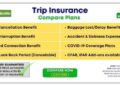
When comparing trip insurance policies, it is crucial to consider various factors to ensure you select the best coverage for your needs. One effective way to do this is by designing a table that compares coverage, cost, and exclusions of different policies.
Additionally, conducting a thorough comparison of trip insurance options involves a step-by-step process and evaluating customer reviews and ratings to make an informed decision.
Designing a Comparison Table
Creating a table that Artikels the coverage, cost, and exclusions of different trip insurance policies can help you visualize and compare the key aspects of each policy. This allows you to easily identify the differences and similarities between various options, making it simpler to select the policy that aligns with your travel needs and budget.
Step-by-Step Guide for Comparing Trip Insurance Options
1. Identify Your Needs
Determine the specific coverage you require based on your travel plans, destination, and activities.
2. Research Available Policies
Explore different trip insurance options from various providers to understand the range of coverage available.
3. Compare Coverage
Review the coverage details of each policy, including trip cancellation, medical expenses, baggage loss, and other benefits.
4. Evaluate Costs
Consider the cost of each policy in relation to the coverage provided to ensure you are getting value for money.
5. Check Exclusions
Pay attention to the exclusions listed in each policy to avoid any surprises when making a claim.
6. Seek Expert Advice
Consult with insurance professionals or travel experts for guidance on selecting the most suitable policy for your trip.
Evaluating Customer Reviews and Ratings
Reading customer reviews and ratings of trip insurance policies can provide valuable insights into the experiences of other travelers. Look for feedback on the ease of purchasing the policy, the efficiency of claims processing, and overall customer satisfaction. Pay attention to recurring positive or negative comments to gauge the reliability and reputation of the insurance provider.
Conclusion
In conclusion, Trip Insurance Comparison 2025 delves into the intricacies of policy offerings, guiding travelers towards the best coverage for their upcoming trips. With a focus on key factors and emerging trends, this discussion equips readers with the knowledge needed to navigate the world of trip insurance with confidence.
Key Questions Answered
What factors should I consider when comparing trip insurance policies?
When comparing trip insurance policies, it's crucial to look at key coverage features, trip duration, destinations, and the impact of pre-existing conditions on coverage.
What new trends are expected in trip insurance coverage by 2025?
By 2025, we can expect advancements in technology influencing policies, along with changes shaped by global events or pandemics.
How can I conduct a thorough comparison of trip insurance options?
To compare trip insurance options effectively, create a table detailing coverage, cost, and exclusions, and consider customer reviews and ratings.